

How to Involve Siblings in ABA Therapy
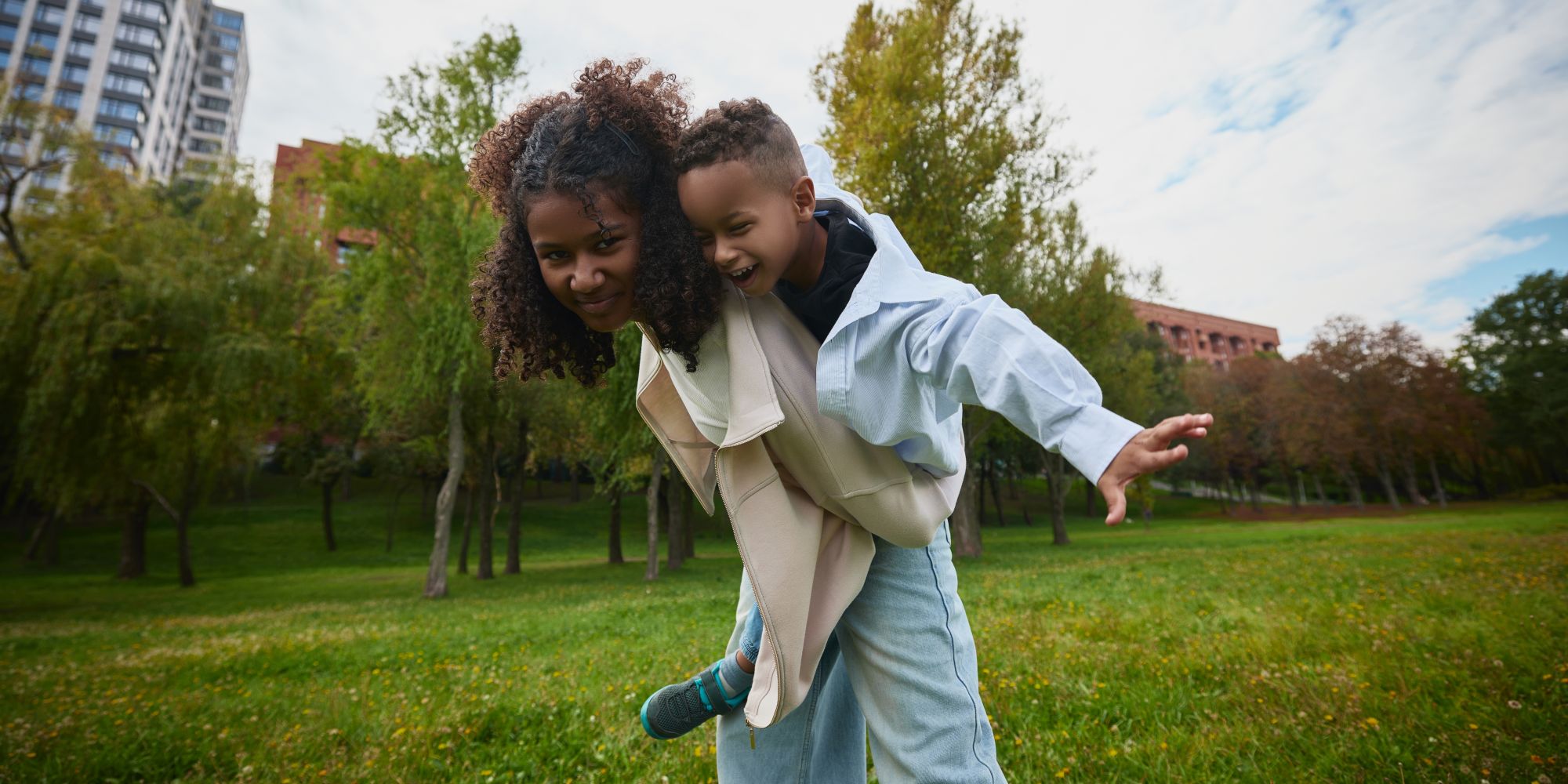
TABLA DE CONTENIDO



Family involvement can be an important part of ABA therapy. Parents play a big role, but siblings can make a difference too! Everyday moments between brothers and sisters create natural opportunities to practice new skills, build stronger relationships, and have fun together.
The goal isn't to turn siblings into therapists. It's to help them understand autism, enjoy spending time together, and support each other's growth.
Why Sibling Involvement Matters
Children can benefit from practicing new skills in everyday life. A child may learn a new communication or social skill during ABA therapy, but using that skill with a brother or sister at home can help them build confidence and independence.
Sibling involvement can also:
- Build stronger family relationships
- Help siblings better understand autism
- Encourage kindness, patience, empathy, and advocacy
- Create natural opportunities to practice communication and social skills
- Help children connect through shared interests and experiences
When siblings spend positive time together, they have opportunities to learn from one another while building a stronger connection.
Help Siblings Understand Autism
The first step is helping siblings understand autism in a way that matches their age.
For younger children, keep it simple.
"Your sister's brain works a little differently. She's learning new ways to communicate, and we can help by being patient and playing together."
Older children may be ready for a little more information. Explain that autism affects how people experience and interact with the world, including how they communicate, learn, and respond to their surroundings.
You can also explain that ABA therapy helps children build communication, social, and daily living skills while supporting their individual strengths and goals.
Remind siblings that everyone learns differently. Some children communicate with words, while others use gestures, pictures, or communication devices. There is no single way to learn, communicate, or connect.
Encourage siblings to ask questions and share their feelings. The more they understand, the more comfortable and confident they may feel in their relationship.
Let Siblings Be Kids
One of the best things you can do is let siblings be siblings.
They don't need to run therapy sessions or teach lessons. Instead, encourage them to play, laugh, explore, and spend time together.
Many skills can be practiced naturally during everyday activities like:
- Playing board games
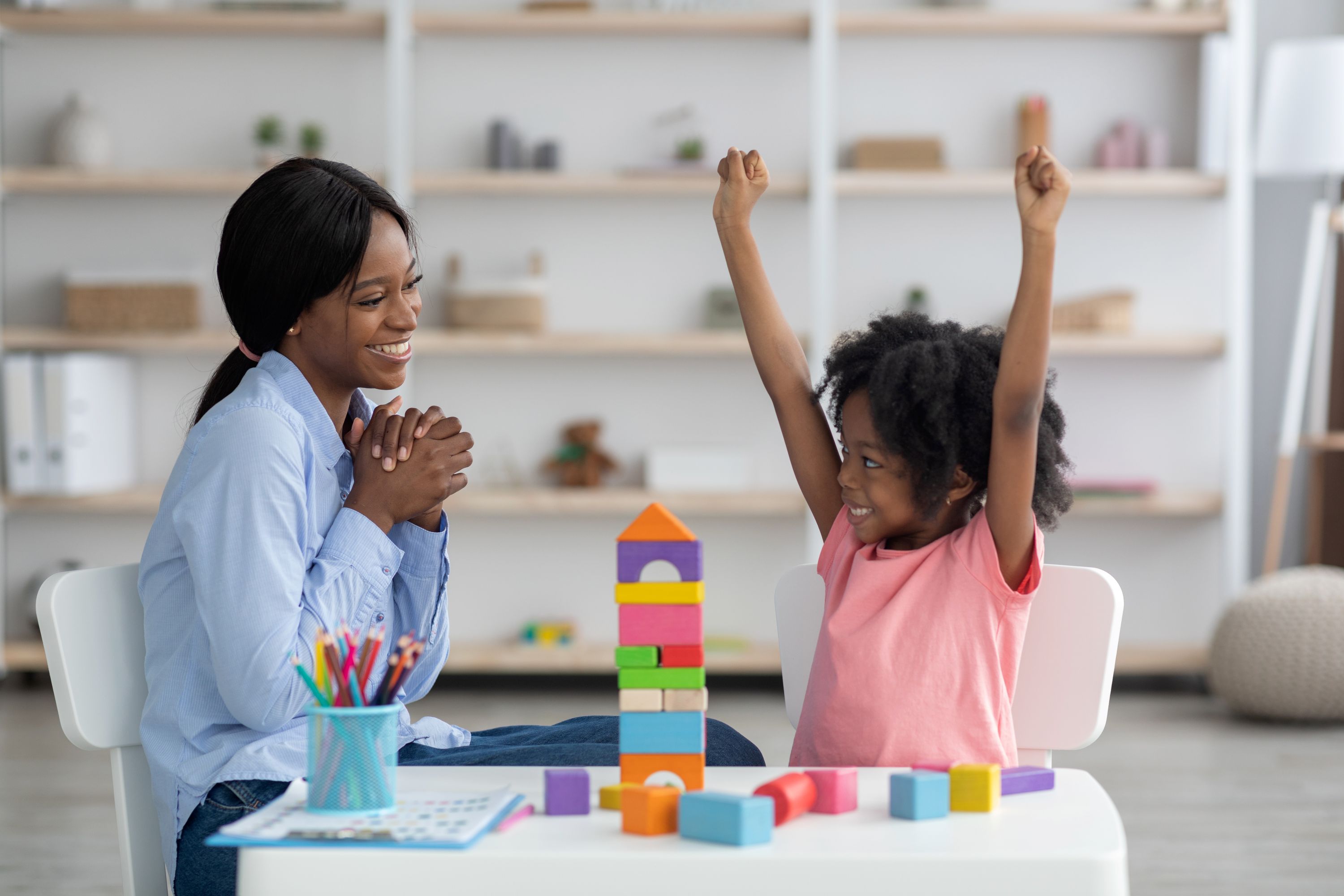
- Building with blocks
- Drawing or doing crafts
- Reading books together
- Playing outside
- Pretend play
These shared experiences create opportunities for children to learn from one another while simply enjoying being together.
Remember, not every moment needs to be a learning opportunity. Sometimes, the best thing siblings can do is just have fun!
Keep Sibling Involvement Positive and Pressure-Free
Not every sibling will want to participate in every activity, and that's okay!
Some days, siblings may be excited to play together. Other days, they may want their own space or time to themselves.
Encourage siblings to participate when they're interested, but avoid making it feel like a responsibility. Give each child opportunities to make choices, set boundaries, and enjoy activities they love.
It's also important to respect the needs and preferences of the child receiving ABA therapy. If they need a break or aren't interested in an activity, that's okay too.
The goal is to build meaningful relationships, not add pressure to family time.
Easy Ways Siblings Can Get Involved
Siblings can support learning and build stronger connections in many simple ways without adding extra pressure to the day.
Practice Daily Routines Together
Invite siblings to complete everyday tasks together, such as washing hands, putting on shoes, cleaning up toys, or helping prepare a snack.
Children often learn by watching each other, and doing activities together can help make daily routines feel more fun and familiar.
Play Games That Build Social Skills
Games that involve taking turns, sharing, asking questions, or working together can create opportunities to build communication and social skills.
Try activities like:
- Building a tower: Take turns adding blocks and work together to build something new.
- Playing pretend: Set up a pretend restaurant, grocery store, or superhero adventure.
- Making a snack: Practice following simple steps, making choices, and working together.
- Playing outside: Enjoy bubbles, catch, or other games that encourage shared play.
Choose activities both children enjoy and let their interests guide the fun. Even a few minutes of positive interaction can help strengthen their connection.
Use Visual Supports
If your child uses a visual schedule or picture chart, siblings can use it too!
For example, a picture schedule showing snack time, playtime, and cleanup can help both children understand what's coming next.
This can make routines easier to follow and help siblings participate together.
Encourage Communication
Siblings can create natural opportunities to communicate during play and everyday activities.
For example, they might offer a choice between two games, wait for their brother or sister to respond, or take turns choosing what to play next.
Remember that communication looks different for everyone. Words, gestures, pictures, and communication devices are all meaningful ways to connect.
Celebrate Successes Together
Every new skill is worth celebrating!
Whether it's communicating a choice, trying a new activity, or completing a daily routine, siblings can join in celebrating those moments.
Encourage children to recognize each other's accomplishments, big and small. Celebrating together helps build confidence and creates positive family memories.
Work Together With Your ABA Team
Your child's ABA team can help you find ways for siblings to be involved that feel natural, comfortable, and fun.
A Board Certified Behavior Analyst (BCBA) can suggest activities that fit your family's routines, your child's goals, and each sibling's interests.
Consider asking your BCBA questions like:
- Which skills can we practice naturally during family time?
- What games or activities would work well for our children?
- How can siblings encourage communication during play?
- What should we do if one child becomes frustrated or overwhelmed?
- How can we keep sibling involvement fun instead of stressful?
Your therapy team can offer guidance to help create positive experiences for everyone, without making siblings responsible for therapy or progress.
Make Sure Every Child Feels Seen and Supported
When one child needs extra support, it can sometimes feel like much of the family's time and attention is focused on their needs.
Siblings may feel proud of their brother or sister's progress, but they may also experience frustration, jealousy, or sadness. All of these feelings are normal.
Making time to listen to each child's thoughts and feelings can make a meaningful difference.
Here are a few simple ways to help every child feel supported:
- Make time for one-on-one attention. Even a few minutes spent doing something they love can help siblings feel special.
- Celebrate everyone's accomplishments. Whether it's a great report card, learning to ride a bike, or trying something new, every child's milestones matter.
- Encourage open conversations. Let siblings know it's okay to share their feelings, even when those feelings are difficult.
- Respect individual interests. Give each child opportunities to enjoy activities and friendships outside of family time.
Every child deserves to feel heard, included, and loved. When families make space for everyone's needs, sibling relationships have more room to grow.
Stronger Sibling Relationships Start With Everyday Moments
Siblings can make a difference simply by being siblings.
Whether they're building a tower, playing outside, sharing a laugh, or celebrating a new skill, these everyday moments help create lasting connections.
Remember, sibling involvement doesn't have to be perfect or planned. The most meaningful experiences often happen naturally, through patience, understanding, and time spent together.
At ACES, we believe every child deserves to feel supported, understood, and celebrated. Our personalized ABA therapy programs help children diagnosed with autism build meaningful skills while giving families tools to support learning at home.
Want to learn how ABA therapy can support your child and family? Explore our ABA therapy services or connect with our team to get started.
Publicaciones relacionadas


Perspectivas de expertos para familias
Reciba información confiable, orientación práctica y los recursos más recientes de nuestro equipo clínico.